The Art Collection of Huberte Rupert

This exhibition and the full-colour publication celebrate Huberte Rupert's art collection of 20th century South African Art. The book features a selection of 100 artworks from the collection, this includes works by both Modern and Contemporary South African artists.

More

AbstRacT – the hidden synchrony

This exhibition takes a closer look at the synchrony in the Synchromies series by Swiss psychiatrist, psychotherapist and later turned photographer Oscar Forel (1891-1982). This was published in 1961 and forms part of the Huberte Goote Art Foundation Collection. The study of trees, their growth, their bark and identifying signs of events the tree had witnessed were the crucial aspects in this series – that are truly fragments of a larger whole.

More

The Johannesburg Station Panels

Please note that this exhibition is currently closed for routine maintenance and cleaning until further notice. You can still view the Johannesburg Station Panels virtually.

More

Stellenbosch Triennale: From the Vault

Amarhoqololo:six feet away from illegibility. Amarhoqololo is an isiXhosa word denoting illegibility and or the unrecognisable. The works explore the inner universe, psychological or unconscious realm with the intent to delve into a child-like form of excavation to express the invisible and unseen. While this position intentionally expresses illegibility, it is also aware of the claims as contradictory while searching for meaning and sense making in what cannot be deliberately ciphered.

More

Artology: from the University of Pretoria Museums

This exhibition is inspired by a word not yet defined in any dictionary. The term Artology is a curatorial perspective and an investigative tool that probes into the University of Pretoria’s collections by actively researching its archives, conserving and curating its collections, and interacting with audiences within the framework of a university museum setting. It is through this tool of Artology, that the UP Museums continue to curate and collect in order to build and reimagine the future of the University of Pretoria’s permanent art collection. 

More

Tracings

Tracings show part of researcher Richard ‘Ginger’ Townley Johnson’s (1911-1994) archive on southern African rock art. In the mid-70s, the Rembrandt van Rijn Art Foundation granted sponsorship to ‘Ginger’ who by then was retired to continue his various travels and explorations to trace rock art sites in Southern Africa.

More

STOREROOM SERIES

The exhibition Storeroom Series celebrates African Modernism, a movement that appeared in the mid-twentieth century and was characterized by its innovative and experimental approach to artmaking. Some of the artists featured in this exhibition were part of two important collectives – The New Group and Amadlozi Group - that shaped the art movement in South Africa through their dedication in exploring African Art.

More

STOREROOM SERIES

In order to shift the spotlight to artworks not included in other selected in-house and external exhibitions, the Storeroom Series is presented: Not just seen as highlights from the collection, but also to showcase the popularity of artists and artworks for visitors' enjoyment. The current rotation focuses on the faces and spaces Irma Stern encountered, mainly during the mid-1930s to the late 1940s, the highlight of her career known as 'The Zanzibar Years'.

More

ICONography

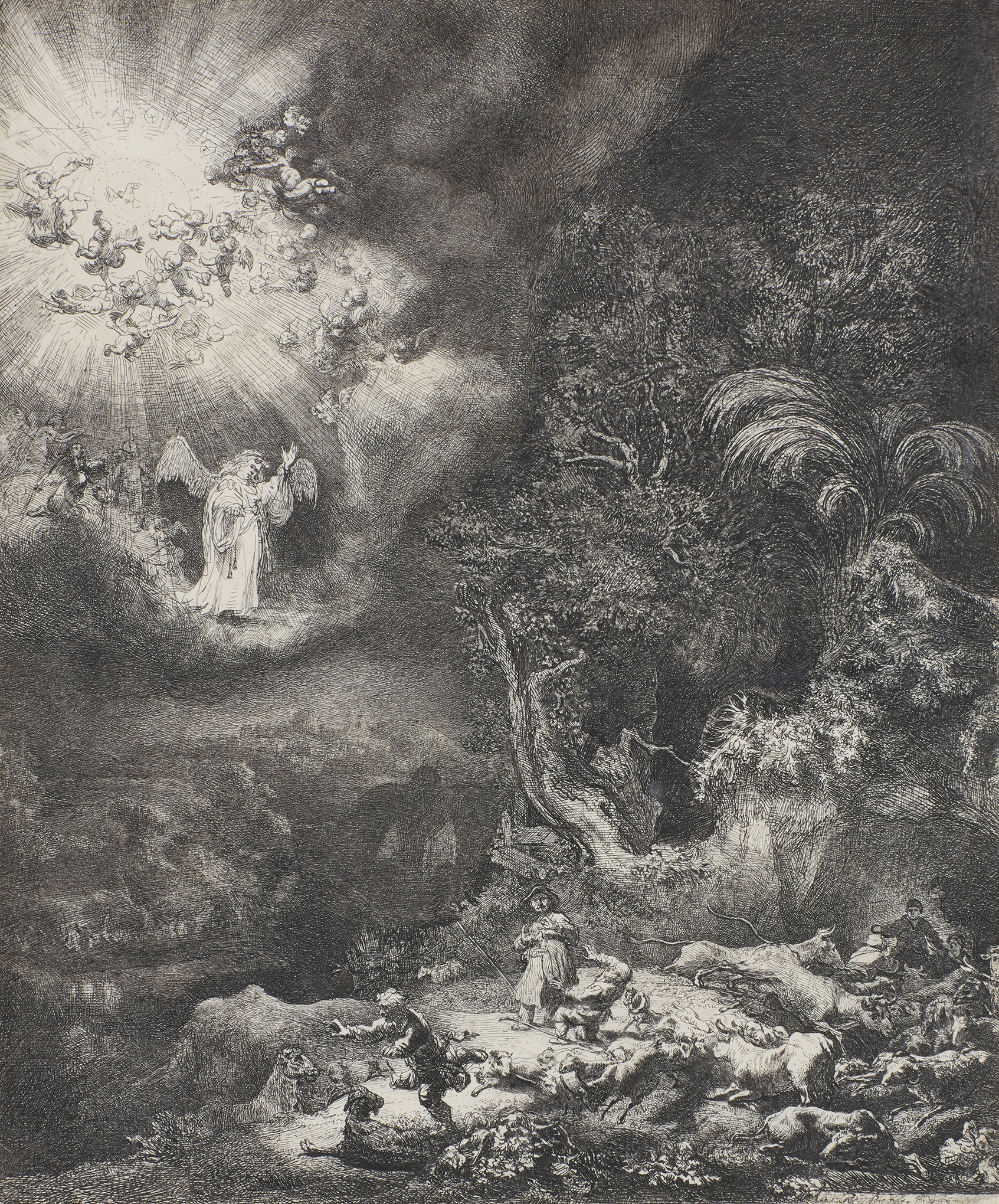
The use of biblical scenes and scriptures have been a popular subject matter in many artists work. From as early as Byzantine period with commissions given to artists by churches, through the Renaissance these scenes are popular with Western artists. Locally during the period 1960s to 1990s artists from art centres such as Rorke’s Drift and Ardmore were also drawing from scriptures as themes and subjects to their work, but very much personalizing it to their customs, believes and interpretations.

More

Any Given Sunday

The anonymous and random public artistic interventions that comprised Any Given Sunday—which originally took place in the city of Cape Town and its townships from 15 May – 24 July 2016— were intended to reflect on the social, economic and political tensions of Cape Town, set against its histories and relevant sites. This covert approach underscored the central intention of the series: as a gentle and submerged way of foregrounding contested notions of visibility and acceptance in the city’s racially segregated spaces.

More